How I Fixed My Body with Simple Daily Moves
For years, I ignored how tired and stiff I felt—until I realized my body wasn’t broken, just underused. The real game-changer? Not intense workouts, but consistent, low-impact aerobic movement. This isn’t about extreme fitness; it’s about repair. Science shows that regular rhythmic activity boosts circulation, reduces inflammation, and supports tissue recovery. I started small, and within weeks, my energy lifted, aches faded, and I felt like myself again. Here’s how aerobic exercise became my body’s quiet healer.
The Hidden Crisis: Modern Life vs. Body Function
Many women in their 30s, 40s, and 50s report feeling constantly fatigued, stiff in the mornings, or slow to recover from everyday tasks like gardening, lifting groceries, or playing with children. These symptoms are often dismissed as normal signs of aging, but they may instead signal a deeper issue: a body deprived of regular movement. Modern lifestyles have shifted dramatically toward sedentary behavior. Desk jobs, long commutes, and screen-based leisure time mean many adults spend more than eight hours a day sitting. This lack of motion creates a biological mismatch—our bodies evolved to move, yet we now ask them to remain still for most of the day.
When physical activity drops, so does circulation. Blood flow slows, reducing the delivery of oxygen and nutrients to muscles, joints, and organs. At the cellular level, this impairs the body’s natural repair mechanisms. Waste products like lactic acid and inflammatory markers accumulate, contributing to stiffness, soreness, and fatigue. Joint tissues, particularly in the knees, hips, and spine, depend on movement to receive lubrication and nourishment. Without it, cartilage can thin, and mobility declines. Over time, this inactivity cycle increases the risk of chronic conditions such as type 2 diabetes, cardiovascular disease, and osteoarthritis.
The good news is that the body responds quickly to movement. Even small increases in daily activity can reverse many of these effects. Aerobic exercise, in particular, acts as a systemic reset. By gently raising the heart rate and deepening breathing, it stimulates circulation and enhances the body’s ability to heal itself. Unlike high-intensity training, which may feel intimidating or unsustainable, aerobic movement is accessible and restorative. It doesn’t require a gym membership or special equipment. It simply requires consistency. The goal is not to push limits, but to reawaken the body’s natural rhythms and restore balance.
What Is Aerobic Exercise—And Why It’s Not Just “Cardio”
Aerobic exercise refers to any rhythmic physical activity that increases the heart rate and breathing in a sustainable way. The term “aerobic” means “with oxygen,” highlighting how this type of movement improves the body’s ability to use oxygen efficiently. This is different from anaerobic exercise, such as weightlifting or sprinting, which relies on short bursts of energy without sustained oxygen use. Aerobic activity is often labeled as “cardio,” but that label can be misleading. It suggests a focus on heart health alone, when in reality, aerobic exercise benefits the entire body—from muscles and joints to brain function and emotional well-being.
What defines aerobic exercise is not speed or intensity, but sustainability. The effort should be moderate enough that you can maintain it for 20 minutes or more while still being able to speak in short sentences. This “talk test” is a reliable way to gauge intensity. If you can talk but not sing, you’re likely in the aerobic zone. Examples include brisk walking, cycling on flat terrain, swimming laps, or dancing to music at home. These activities are low-impact, meaning they minimize stress on the joints while still providing a meaningful stimulus to the cardiovascular system.
One of the most powerful aspects of aerobic exercise is its accessibility. It can be adapted to nearly any fitness level or physical condition. A person recovering from an injury might start with five-minute walks around the house, while someone more active could enjoy a 45-minute bike ride. The key is finding a form of movement that feels manageable and enjoyable. Unlike structured gym routines that may feel like chores, aerobic activities can blend seamlessly into daily life. This makes them more likely to become lasting habits rather than short-term fixes. When movement is no longer seen as punishment but as nourishment, the mindset shifts from obligation to self-care.
The Science of Movement: How Aerobics Support Body Repair
The benefits of aerobic exercise go far beyond burning calories or improving endurance. At a physiological level, it functions as a natural repair system. One of the most immediate effects is enhanced blood circulation. As the heart pumps more efficiently, oxygen-rich blood flows to muscles, tendons, and connective tissues. This increased perfusion delivers essential nutrients like glucose, amino acids, and fatty acids while simultaneously removing metabolic waste such as carbon dioxide and lactic acid. This cleansing effect reduces muscle fatigue and speeds up recovery after physical exertion.
Research consistently shows that regular aerobic activity lowers levels of systemic inflammation. Chronic inflammation is linked to a wide range of health issues, including joint pain, heart disease, and cognitive decline. A study published in the journal Brain, Behavior, and Immunity found that just 20 minutes of moderate exercise can reduce the production of inflammatory cytokines. Over time, this anti-inflammatory effect helps protect tissues throughout the body, including the lining of blood vessels and the cartilage in joints. For women experiencing joint discomfort, particularly in the knees or hands, this can mean less stiffness and greater ease of movement.
Aerobic movement also supports joint health by stimulating the production of synovial fluid, the lubricating substance that cushions joints. Without regular motion, this fluid becomes stagnant, leading to creakiness and discomfort. Movement “pumps” the joints, encouraging fluid exchange and nutrient delivery. Additionally, aerobic exercise strengthens the muscles surrounding joints, providing better support and reducing strain. It also plays a role in immune function. Moderate activity has been shown to increase the circulation of immune cells, enhancing the body’s ability to detect and respond to threats. This doesn’t mean exercise prevents illness entirely, but it does help the immune system function more efficiently.
Real Results: What Changes to Expect (And When)
One of the most encouraging aspects of starting aerobic exercise is how quickly improvements can appear. Many people report feeling more energized within the first two to three weeks of consistent activity. This isn’t just a placebo effect—it’s a direct result of improved circulation and mitochondrial efficiency. Mitochondria are the energy-producing structures within cells, and aerobic exercise stimulates their growth and function. As they become more efficient, the body produces energy more effectively, reducing the sense of fatigue that often accompanies inactivity.
Sleep quality also tends to improve early in the process. Physical activity helps regulate the body’s internal clock, or circadian rhythm, making it easier to fall asleep and stay asleep. Deep, restorative sleep is essential for tissue repair, hormone balance, and emotional resilience. Women who struggle with nighttime restlessness or frequent waking often find that a daily walk or gentle bike ride leads to more consistent sleep patterns. Alongside better sleep, many notice reduced muscle soreness and increased flexibility. Joints feel looser, and daily movements like bending, reaching, or climbing stairs become easier.
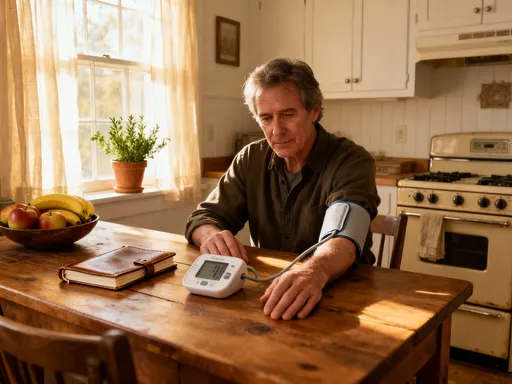
Between six and eight weeks of regular aerobic activity, more lasting changes emerge. Body composition may shift, with gradual reductions in body fat and slight increases in lean muscle mass. Blood pressure and resting heart rate often decline, indicating improved cardiovascular efficiency. Some women report fewer headaches, less bloating, and improved digestion, likely due to enhanced blood flow to the digestive organs and reduced stress hormone levels. These changes are not dramatic or overnight, but they are meaningful. The key is consistency. Short, daily sessions produce better long-term results than sporadic, intense workouts. The body responds to routine, not extremes. By treating movement as a form of maintenance, rather than a test of endurance, the benefits compound over time.
Building Your Routine: Practical Steps to Start
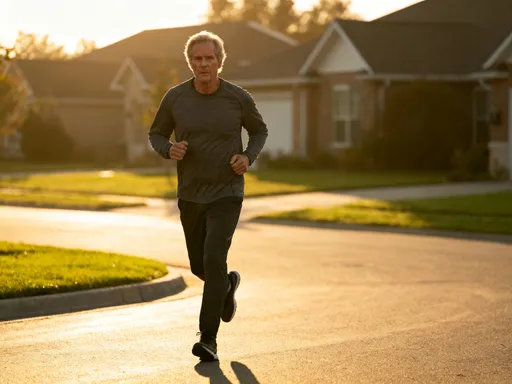
Starting an aerobic routine doesn’t require a complete lifestyle overhaul. The most effective approach is to begin small and build gradually. Experts recommend aiming for 150 minutes of moderate-intensity aerobic activity per week, which breaks down to about 30 minutes, five days a week. However, even 20 minutes, three times a week, can make a difference. The goal is to establish a habit, not achieve perfection. Choose an activity that feels enjoyable and sustainable. For many women, brisk walking is the most practical option. It requires no special skills, can be done almost anywhere, and allows for conversation or listening to music or podcasts.
Integration into daily life increases the likelihood of success. Simple strategies include taking a 10-minute walk after each meal, parking farther from store entrances, or using a standing desk with periodic walking breaks. Stairs can replace elevators when possible. These small choices add up. For those with limited time, breaking activity into shorter segments—such as three 10-minute walks—is just as effective as one continuous session. The important thing is movement, not duration. Choosing comfortable clothing and supportive footwear also helps make the experience more pleasant and reduces the risk of discomfort.
Enjoyment is a critical factor in long-term adherence. If an activity feels like a burden, it’s unlikely to last. Dancing to favorite songs, joining a casual walking group, or exploring local parks can turn exercise into a form of leisure rather than labor. The emotional benefits of movement—including reduced stress and improved mood—are powerful motivators. When physical activity is associated with positive feelings, it becomes something to look forward to, not dread. Over time, the body begins to crave movement, just as it craves rest or hydration. This shift in perception is a sign of true behavioral change.
Overcoming Common Barriers
Despite the clear benefits, many women struggle to maintain a consistent aerobic routine. Time constraints are one of the most frequently cited obstacles. Between work, family responsibilities, and household duties, finding space for self-care can feel impossible. However, reframing movement as a necessity rather than a luxury helps shift priorities. Just as brushing teeth or preparing meals are non-negotiable parts of daily life, so too can short bouts of activity become essential. Habit stacking—linking a new behavior to an existing one—is an effective strategy. For example, walking for 10 minutes after dinner or doing a short dance session while waiting for dinner to cook can make movement feel automatic.
Motivation naturally fluctuates, especially in the beginning. On days when energy is low, it’s important to lower expectations. A five-minute walk is better than no movement at all. Tracking progress, whether through a simple calendar checkmark or a fitness app, can provide a sense of accomplishment and reinforce commitment. Some women find that scheduling activity like a doctor’s appointment increases accountability. Physical discomfort, such as joint pain or breathlessness, can also be discouraging. In these cases, modifying the activity is key. Swimming or water aerobics are excellent alternatives for those with joint sensitivities, as the buoyancy of water reduces impact. Cycling or using an elliptical machine can also be gentler on the body than walking on hard surfaces.
Perhaps the most important principle is to listen to the body. Aerobic exercise should never cause pain. Discomfort may occur as the body adjusts, but sharp or persistent pain is a signal to stop and reassess. Pushing through pain can lead to injury and setbacks. Instead, adjusting intensity, duration, or type of activity ensures long-term sustainability. Rest days are also essential. The body repairs and strengthens during periods of recovery, not during the activity itself. A balanced approach that includes rest, hydration, and proper nutrition supports overall progress and prevents burnout.
Long-Term Mindset: Treating Movement as Maintenance
The most transformative shift in thinking is to view aerobic exercise not as a means to lose weight or achieve a certain appearance, but as a form of daily maintenance for long-term health. Just as brushing teeth prevents cavities, regular movement prevents the physical decline associated with inactivity. This mindset removes the pressure of performance and replaces it with the quiet dignity of self-respect. It’s not about how fast you walk or how far you go, but about showing up for your body every day.
Over time, this consistent care builds resilience. The body becomes better at recovering from illness, adapting to stress, and maintaining balance. Women who make aerobic activity a lifelong habit often report feeling stronger, more capable, and more in tune with their bodies as they age. They experience fewer aches, more energy, and greater independence. This is not an exaggerated promise, but a well-documented outcome of sustained physical activity. The benefits are not flashy, but they are profound.
Movement, in this sense, becomes a promise—a daily commitment to one’s future self. It’s a way of saying, “I value my health. I intend to stay active, mobile, and vibrant.” This promise doesn’t require grand gestures. It’s fulfilled in the small choices: choosing to walk, to dance, to move with purpose. And with each step, the body responds, not with applause, but with quiet strength, renewed function, and lasting well-being. The journey isn’t about fixing what’s broken, but honoring what’s already there.