How I Turned My Fatty Liver Around – A Real Talk on Systematic Healing
Fatty liver isn’t just a medical term—it’s a wake-up call millions ignore. I ignored mine until fatigue and scan results hit hard. What followed wasn’t a quick fix, but a structured shift in habits, mindset, and daily choices. This isn’t about magic cures, but science-backed changes that actually work. If you’re staring at the same diagnosis, this journey might just light your path—always alongside professional care.
The Moment It All Clicked: Recognizing the Silent Threat
It started with a routine check-up. I had been feeling tired for months—more than the usual kind of tired after a long day. This was a deep, persistent exhaustion that no amount of coffee could fix. My doctor ordered blood work, and when the results came back, the words “elevated liver enzymes” stood out in bold. I remember sitting in the waiting room, heart pounding, trying to make sense of something I didn’t fully understand. Then came the ultrasound: “moderate fatty liver.” I was shocked. I didn’t drink heavily. I wasn’t obese. How could this be happening to me?
I wasn’t alone. Millions of people carry extra fat in their liver without knowing it. Fatty liver disease is one of the most common liver conditions worldwide, yet it often flies under the radar because it rarely causes symptoms in the early stages. It’s silent—until it’s not. Many dismiss fatigue, mild discomfort, or bloating as signs of aging or stress. But the truth is, these can be early warnings of metabolic imbalance. The liver is resilient, capable of regeneration, but only up to a point. If ignored, fatty liver can progress to inflammation, scarring, and in severe cases, cirrhosis or liver failure.
So, what exactly is fatty liver? Simply put, it’s when more than 5–10% of the liver’s weight is made up of fat. This buildup interferes with the organ’s ability to process nutrients, filter toxins, and regulate metabolism. There are two main types: alcoholic fatty liver disease (AFLD), caused by excessive alcohol consumption, and non-alcoholic fatty liver disease (NAFLD), which occurs in people who drink little to no alcohol. NAFLD is closely linked to insulin resistance, obesity, type 2 diabetes, and metabolic syndrome—conditions that are increasingly common in modern life.
What surprised me most was learning that fatty liver isn’t just about weight. While excess body fat, especially around the abdomen, increases risk, even people at a normal weight can develop it. Genetics, diet, sedentary habits, and underlying health conditions all play a role. The diagnosis forced me to confront my lifestyle—not with shame, but with clarity. This wasn’t a punishment; it was a signal. And signals, if listened to early, can prevent bigger problems down the road. The key is awareness. The longer fatty liver goes unmanaged, the higher the risk of complications, including cardiovascular disease and type 2 diabetes. But the good news? In its early stages, it’s reversible.
Beyond the Liver: How Fat Build-Up Affects Your Whole Body
At first, I thought the issue was isolated—just my liver, just one organ. But as I learned more, I realized how deeply interconnected everything is. Fat accumulation in the liver doesn’t stay confined. It sends ripples through the entire body, disrupting energy levels, digestion, hormonal balance, and even brain function. What I once dismissed as “just being tired” was actually a symptom of systemic imbalance. My body was struggling to manage glucose, store fat efficiently, and regulate inflammation—all tasks the liver helps coordinate.
One of the most important connections I came to understand was between insulin resistance and liver fat. Insulin is the hormone that helps cells absorb sugar from the bloodstream. When cells become resistant to insulin, sugar stays in the blood longer, prompting the pancreas to produce more insulin. Over time, this excess insulin signals the liver to turn more sugar into fat. That fat gets stored—not just in adipose tissue, but inside the liver itself. This creates a vicious cycle: more liver fat worsens insulin resistance, which leads to more fat storage. Breaking this cycle is essential for healing.
Another eye-opener was the significance of abdominal fat. That stubborn belly pooch isn’t just a cosmetic concern—it’s a marker of visceral fat, the kind that wraps around internal organs, including the liver. Visceral fat is metabolically active, releasing inflammatory substances that contribute to insulin resistance and liver damage. When fat builds up in and around the liver, it triggers low-grade, chronic inflammation. This inflammation doesn’t cause pain or fever like an infection, but it quietly damages tissues over time, increasing the risk of heart disease, stroke, and metabolic dysfunction.
The effects weren’t just physical. I began to notice changes in my mental clarity and mood. I’d feel foggy in the afternoons, struggle to focus, and experience unexplained irritability. These weren’t random. Research shows that liver health influences brain function through the gut-liver-brain axis. Toxins that the liver can’t properly process may affect neurotransmitter balance. Poor energy production due to metabolic inefficiency also impacts cognitive performance. It became clear that healing my liver wasn’t just about preventing disease—it was about reclaiming my vitality, focus, and emotional stability.
The Systematic Mindset: Why Random Fixes Don’t Work
When I first got the diagnosis, I panicked. I searched online for solutions and found countless promises: “Reverse fatty liver in 30 days!” “Detox your liver with this one juice!” I tried a few—strict diets, intense workout plans, herbal teas. I’d feel motivated for a week, then burn out. The weight would come back, the fatigue returned, and I felt defeated. What I didn’t realize then was that chronic conditions like fatty liver don’t respond to short-term fixes. They require consistent, sustainable change.
The problem with crash diets and extreme cleanses is that they’re not designed for long-term adherence. They often eliminate entire food groups, leading to nutrient deficiencies and metabolic slowdown. Worse, they set up a cycle of restriction and rebound—lose weight fast, gain it back faster. Detox teas and supplements may cause temporary water loss, but they don’t address the root causes of liver fat. Some even contain ingredients that can stress the liver further. What I needed wasn’t a quick solution, but a reliable system.
I began to shift my thinking from intensity to consistency. Instead of aiming for perfection, I focused on progress. I adopted the concept of “lifestyle stacking”—making small, manageable changes that build on each other over time. For example, I started by drinking more water instead of soda. Then I added a daily walk. Later, I swapped white bread for whole grains. Each change was minor on its own, but together, they created a new normal. This approach reduced the pressure to be perfect and made it easier to stay on track, even on busy or stressful days.
Another crucial lesson was tracking without obsession. I began logging my meals, not to count every calorie, but to become aware of patterns. I noticed how much added sugar I was consuming without realizing it. I saw how late dinners affected my energy the next day. Tracking helped me identify triggers and celebrate small wins. But I avoided turning it into a source of stress. If I missed a day, I didn’t punish myself. The goal was awareness, not control. Healing a fatty liver isn’t about punishment—it’s about re-education. It’s learning to listen to your body, respect its limits, and support its natural ability to heal.
Food as Foundation: What Actually Fuels Liver Recovery
Nutrition became the cornerstone of my healing journey. I learned that the liver thrives on real, whole foods—those rich in nutrients and low in processed additives. The goal wasn’t to follow a trendy diet, but to create meals that supported liver function, stabilized blood sugar, and reduced inflammation. This meant focusing on high-quality protein, fiber-rich vegetables, and healthy fats, while minimizing refined carbohydrates and added sugars.
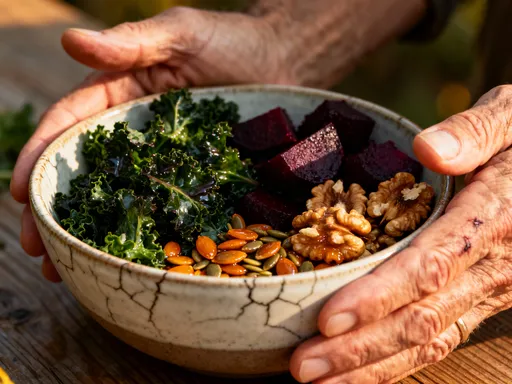
Protein is essential because it provides the amino acids the liver needs to repair tissue and produce enzymes. I started including lean sources like skinless chicken, turkey, fish, eggs, legumes, and Greek yogurt in most meals. Fiber, especially from vegetables, fruits, and whole grains, helps regulate blood sugar and supports gut health. A healthy gut microbiome plays a role in reducing liver fat by improving digestion and lowering inflammation. I made it a habit to fill half my plate with colorful vegetables—broccoli, spinach, carrots, bell peppers—foods that deliver antioxidants and phytonutrients the liver can use to neutralize toxins.
Healthy fats, such as those from avocados, nuts, seeds, and olive oil, are not the enemy. In fact, they help reduce liver fat when they replace refined carbs in the diet. What I had to cut back on was sugar—especially fructose, which is metabolized almost entirely by the liver. High-fructose corn syrup, found in sodas, sweetened cereals, and packaged snacks, floods the liver with sugar, forcing it to convert excess into fat. Even fruit juices, often seen as healthy, can be high in fructose. I switched to whole fruits in moderation and eliminated sugary drinks entirely.
Meal timing and portion control also made a difference. Eating large meals late at night forces the liver to work when it should be resting. I began eating dinner earlier and keeping it light. I also practiced mindful eating—slowing down, chewing thoroughly, and stopping when I was about 80% full. Hydration played a role too. Water helps the liver flush out waste, and I aimed for at least eight glasses a day. Interestingly, research shows that moderate coffee consumption—about 2–3 cups daily—may support liver health by reducing inflammation and fibrosis. I enjoyed my morning coffee black, without added sugar or cream.
Movement That Makes Sense: Exercise Without Exhaustion
Exercise was another pillar of my recovery, but not in the way I initially thought. I used to believe that only intense workouts—long runs, heavy lifting, punishing classes—would make a difference. But for fatty liver, consistency and sustainability matter more than intensity. What the body needs is regular movement that improves insulin sensitivity, burns excess fat, and builds muscle.
I started with walking—just 20 minutes a day. It didn’t feel like much, but over time, I noticed changes. My energy improved. My blood sugar levels stabilized. Research confirms that even moderate physical activity can reduce liver fat by improving how the body uses insulin. Walking after meals, in particular, helps lower post-meal glucose spikes, reducing the liver’s burden. I gradually increased my steps, aiming for 7,000–10,000 a day, using a simple pedometer to stay motivated.
Resistance training became another key element. Building muscle increases the body’s metabolic rate, meaning it burns more calories even at rest. More importantly, muscle tissue is highly sensitive to insulin, so having more muscle helps the body manage blood sugar more efficiently, taking pressure off the liver. I started with bodyweight exercises—squats, lunges, push-ups—and later added light dumbbells. Two to three sessions per week were enough to see benefits without overwhelming my schedule.
The goal wasn’t to become an athlete, but to make movement a natural part of daily life. I took the stairs, parked farther away, did stretches during TV commercials. These small actions added up. Over several months, my liver enzymes improved, and follow-up imaging showed a noticeable reduction in fat. The transformation wasn’t dramatic overnight, but steady and real. Movement, I realized, wasn’t just about burning calories—it was about signaling to my body that it was active, engaged, and capable of healing.
Sleep, Stress, and the Hidden Triggers Sabotaging Progress
As I made changes to my diet and activity, I hit a plateau. My energy was better, but my liver markers weren’t improving as expected. That’s when I turned my attention to two often-overlooked factors: sleep and stress. Both have a profound impact on metabolism, hormone balance, and liver health—yet they’re rarely discussed in conventional advice.
Poor sleep disrupts the body’s ability to regulate glucose and insulin. When I wasn’t sleeping well, I craved sugar and carbohydrates the next day. Studies show that even one night of poor sleep can increase insulin resistance, making it harder for the liver to process fat. I began prioritizing sleep hygiene—going to bed and waking up at the same time, avoiding screens an hour before bed, and creating a calm bedroom environment. Aiming for 7–8 hours of quality sleep became non-negotiable.
Chronic stress was another silent contributor. When stressed, the body releases cortisol, a hormone that increases blood sugar and promotes fat storage—especially in the liver and abdomen. Long-term, elevated cortisol worsens insulin resistance and inflammation. I didn’t realize how much stress I was carrying—work deadlines, family responsibilities, constant digital noise—until I started paying attention. I began incorporating simple stress-management techniques: deep breathing exercises, short walks in nature, and setting boundaries with technology. Even five minutes of mindful breathing could shift my nervous system from “fight-or-flight” to “rest-and-digest.”
I also learned about the importance of circadian rhythm—the body’s internal clock that regulates metabolism, hormone release, and repair processes. Eating late, irregular sleep, and exposure to blue light at night can disrupt this rhythm, impairing liver function. By aligning my daily routine with natural light cycles—eating during daylight hours, sleeping in darkness—I supported my body’s innate healing mechanisms. Creating a recovery-friendly environment meant more than just food and exercise; it meant designing a lifestyle that honored rest, rhythm, and emotional well-being.
Putting It All Together: A Sustainable, Science-Supported Plan
Healing my fatty liver wasn’t about a single change, but the integration of several. Nutrition, movement, sleep, and stress management worked together like pieces of a puzzle. When one area improved, it supported the others. Eating well gave me energy to move. Moving regularly improved my sleep. Better sleep reduced my cravings. Lower stress made it easier to stick to healthy habits. It was a positive feedback loop—one that built momentum over time.
I developed a simple daily structure that supported liver health without feeling restrictive. Mornings began with water and a protein-rich breakfast—like eggs with vegetables or oatmeal with nuts and berries. Lunch was a balanced plate of lean protein, whole grains, and plenty of vegetables. Dinner was lighter, eaten at least three hours before bed. I stayed active throughout the day, aiming for a mix of walking and strength exercises. Evenings were for winding down—reading, gentle stretching, or quiet conversation. I limited alcohol, avoided late-night eating, and kept added sugar to a minimum.
Progress wasn’t measured just by weight or lab results, though those were important. I looked for signs of real improvement: more energy, clearer thinking, better mood, and fewer cravings. My clothes fit better. I felt stronger. My doctor noted improvements in liver enzymes and insulin sensitivity. These changes didn’t happen overnight, but over months of consistent effort. I learned to be patient, to trust the process, and to view setbacks as part of the journey, not the end of it.
Throughout this process, I stayed in touch with my healthcare provider. Regular blood work and imaging helped track progress and adjust the plan when needed. I never stopped medical supervision—this wasn’t about replacing professional care, but enhancing it with lifestyle changes. If you’re on this path, remember: your doctor is your partner. Share your goals, ask questions, and follow their guidance.
Looking back, I see my fatty liver diagnosis not as a failure, but as a turning point. It forced me to slow down, pay attention, and make choices that support long-term health. It taught me that healing isn’t about perfection—it’s about commitment, consistency, and compassion for oneself. For anyone facing a similar challenge, know this: your liver has an incredible capacity to regenerate. With the right support, the right habits, and the right mindset, improvement is possible. This isn’t just about reversing a condition—it’s about building a healthier, more intentional life, one day at a time.