From Cluttered to Calm: How a Simple App Gave Me Back My Weekends
You know that feeling—Saturday morning, coffee in hand, and already overwhelmed? Your to-do list spills into leisure time, your space feels chaotic, and relaxation slips away. I used to dread weekends, not enjoy them. But everything changed when I started using a digital health app focused on personal space and mindset. It didn’t just organize my routines—it transformed how I experience rest. Let me show you how something so small made such a big difference.
The Weekend That Felt Like Another Workday
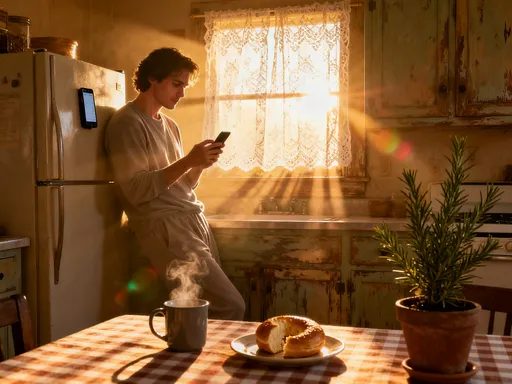
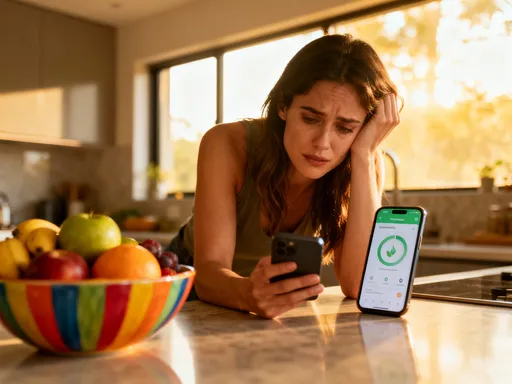
Remember how weekends were supposed to feel? Like a soft landing after a long week. A chance to breathe, reconnect, maybe read a book or take a long walk. For years, mine felt nothing like that. Instead of rest, I walked into Saturdays already behind—laundry piling up, groceries not bought, the kitchen counter buried under mail and half-used notebooks. I’d stand in the middle of my living room, coffee cooling in my hand, and feel that familiar tightness in my chest. Where do I even start?
It wasn’t that I was lazy or disorganized by nature. I managed a household, a career, and a family with love and intention. But the invisible work—the mental load of remembering what needed to be done, when, and how—was exhausting. By Sunday night, I wasn’t refreshed. I was drained. My weekends weren’t recharging me; they were just another kind of workday, one where the boss was my own guilt.
And I know I’m not alone. So many women I talk to—mothers, wives, caregivers, professionals—feel the same. We wear so many hats that by the time the weekend arrives, we’ve already spent our emotional energy. The problem wasn’t a lack of time. It was a lack of mental space. I had so much to manage that I couldn’t even enjoy the moments I’d been working so hard to create. I needed something to help me offload that weight—not more tasks, but a way to breathe again.
Discovering Digital Tools That Understand Real Life
I didn’t set out to find a tech solution. Honestly, I used to roll my eyes at apps promising to “change your life.” Most felt like they were designed for people with perfect routines and endless motivation—definitely not for someone juggling school pickups, dinner plans, and a to-do list that never ended. But then a friend mentioned this one app she’d started using—not for productivity, but for peace. That caught my attention. Peace. That was what I was missing.
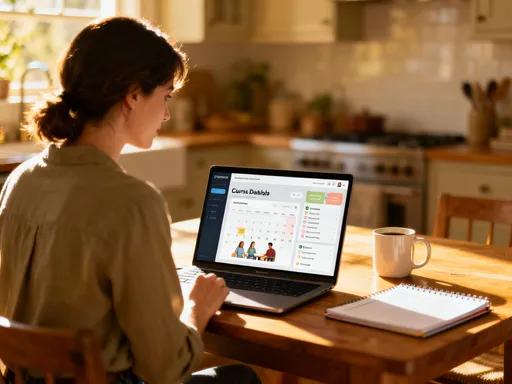
When I downloaded it, I expected another checklist machine. What I found was different. The interface was soft, calming—no bright red notifications or aggressive countdowns. Instead, it asked gentle questions: “How’s your energy today?” “What’s taking up the most space in your mind?” It felt like talking to a wise friend, not a robot. And slowly, it began to reshape how I thought about my time and space.
What made this app different was its focus on digital wellness—not just doing more, but being better. It combined simple tools: a mood tracker, a space organizer, and a task planner—but it tied them all together with emotional awareness. Instead of telling me to “clean the garage,” it asked, “What part of your home feels heaviest right now?” That shift—from demand to invitation—changed everything. It didn’t add pressure. It offered support. And for the first time, I felt like technology was working for me, not against me.
I started using it not to fix myself, but to understand myself. The app didn’t judge me for skipping a task. It celebrated small wins, like “You opened the app today—great start.” That kind of kindness made me want to keep going. It wasn’t about perfection. It was about presence. And that’s when I realized: the right tech doesn’t make you faster. It helps you slow down in the right ways.
How My Bedroom Became My Sanctuary (Not a Storage Unit)
One Saturday morning, the app suggested a “space reset” in my bedroom. I almost skipped it—my bedroom was the last place I wanted to deal with. It was where I dumped the clothes I didn’t know how to fold, the books I meant to read, the bags from last week’s shopping. It wasn’t a sanctuary. It was a holding zone.
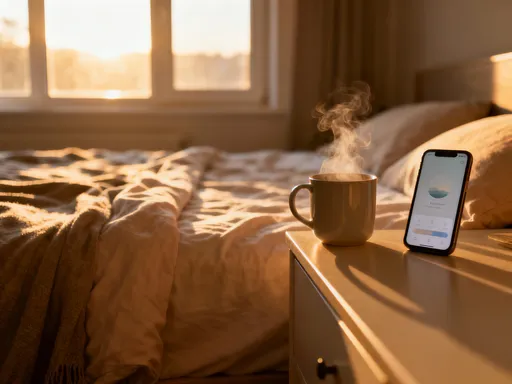
But the app didn’t ask me to do it all. Just 15 minutes. One small area. It walked me through it: “Pick one surface. Clear it. Ask: Does this belong? Does this calm me?” I started with my nightstand. A stack of magazines, old glasses, a dried-up lip balm, a charger with no home. As I wiped the wood clean, something shifted. It wasn’t just the physical space—it was the mental one. Each item I removed felt like lifting a tiny weight off my shoulders.
The app encouraged me to pause and notice how I felt after each step. “How does this space breathe now?” it asked. And honestly? Lighter. Calmer. More like mine. I lit a candle—something I hadn’t done in months—and sat on the edge of the bed, just breathing. For the first time in weeks, I wasn’t thinking about what came next. I was just there.
That small act—15 minutes, one surface—became a turning point. I realized that clutter wasn’t just physical. It was emotional. Every item I kept “just in case” was a decision I had to make over and over. Every unfinished corner of my home was a quiet reminder of something undone. By clearing the space, I was also clearing my mind. And the app made it feel doable, not daunting. It turned cleaning into a kind of meditation, not a chore. Now, when I walk into my bedroom, I don’t feel guilt. I feel relief. And that’s worth more than any organizing hack.
Batching Tasks Without Burning Out
Before the app, I used to try to “power through” my weekend tasks. Sunday mornings were for laundry, grocery shopping, meal prep, and deep cleaning—all crammed into a few hours. By noon, I was exhausted. And if something interrupted the plan—a sick child, a flat tire, a last-minute call—I’d feel like the whole day was ruined.
The app introduced me to a different idea: energy-based planning. Instead of scheduling tasks by time, it helped me match them to how I actually felt. On low-energy days, it suggested gentle actions: “Put on music and fold one basket of laundry.” On higher-energy days: “Tackle the pantry, one shelf at a time.” No pressure. No guilt. Just flow.
It also taught me the power of micro-batching. Instead of saving all the grocery shopping for Saturday, I’d spend 10 minutes on Friday night planning meals. On Saturday morning, I’d write the list while sipping tea. On Sunday, I’d go with a clear mind and a short list. The work didn’t disappear—but it didn’t overwhelm me anymore. It became part of the rhythm of the weekend, not the whole story.
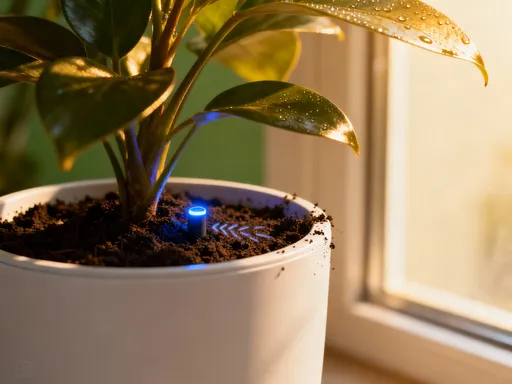
One of my favorite changes? Watering the plants. The app reminded me gently: “Your plants miss you.” So I started doing it every Saturday morning, stepping outside with my coffee, feeling the sun on my face. It wasn’t just about keeping the plants alive. It was about reminding myself to pause, to connect, to be present. These small moments—laundry with music, dishes while listening to a podcast, folding towels while watching the sunset—became tiny acts of care, not just chores. And that made all the difference.
Creating Rituals That Stick (Without the Pressure)
We’ve all tried self-care routines that lasted two days and then faded. I bought journals I never opened, yoga mats that lived under the bed, meditation apps I deleted after a week. The problem wasn’t the tools. It was the pressure. I felt like I had to do it perfectly—or not at all.
The app changed that. It didn’t push me to meditate for 20 minutes. It asked, “Would you like to stretch for two?” And when I did, it remembered: “You liked how that felt last time.” That tiny nudge—kind, familiar, encouraging—made me want to try again. It wasn’t about building a perfect routine. It was about building a habit of kindness toward myself.
Slowly, small rituals took root. Every Friday night, I light a candle and write three things I’m grateful for—just three lines. Every Sunday morning, I step outside barefoot, even for 30 seconds, to feel the ground beneath me. The app doesn’t track these like tasks. It just reminds me gently: “You’ve done this before. You liked it. Want to try again?”
And here’s the thing: these aren’t grand gestures. They don’t require special equipment or hours of time. But they anchor me. They bring me back to myself. On busy weeks, they’re my touchpoints. On hard weeks, they’re my lifelines. The app doesn’t force consistency. It makes it feel natural, like returning to a favorite chair or a well-worn path. And over time, those tiny moments added up to something bigger: a sense of calm that stayed with me, not just on weekends, but through the week.
Sharing Calm: How My Space Affects Everyone
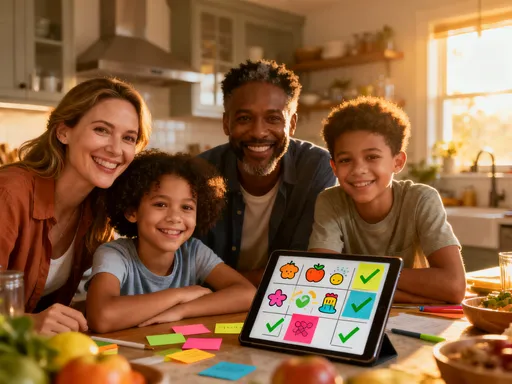
I didn’t realize how much my stress was shaping our home until it started to shift. One evening, my partner looked around and said, “The house feels lighter.” Not cleaner—lighter. And he was right. As I cleared physical clutter and mental noise, the whole atmosphere changed. The living room wasn’t just tidier. It felt more inviting. The kitchen wasn’t just organized. It felt calmer.
And that calm rippled outward. My kids started playing more freely, spreading out their toys without me nagging about mess. My partner stopped asking, “What’s wrong?” every time I walked in the door. I wasn’t snapping over small things. I wasn’t carrying the weight of everything in my expression.
The app doesn’t track family members or assign tasks to anyone else. It’s just for me. But by helping me manage my own space and energy, it improved our shared life. I had more patience. More presence. More joy. I wasn’t just creating peace for myself—I was making space for it to grow in our home.
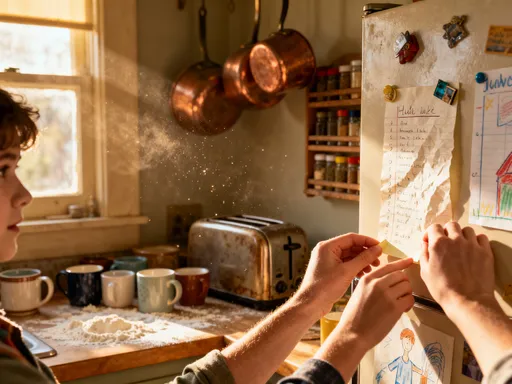
One Saturday, my daughter brought me a drawing. It was a picture of our living room, with me sitting on the couch, reading. “This is my favorite thing,” she said. “When you’re just here.” That hit me deep. I hadn’t realized how often I was physically present but mentally somewhere else—planning, worrying, remembering. The app didn’t just help me organize my weekends. It helped me show up.
The Bigger Gift: Time to Just Be
The greatest change wasn’t that I got more done. It was that I finally learned how to rest. I used to think rest meant doing nothing. Now I know it means being fully present. The app didn’t automate my life. It didn’t take over. It just helped me reclaim it—piece by piece, breath by breath.
I still have chores. I still have lists. But now, I have weekends where I actually sit and read. Where I walk without a destination. Where I laugh with my family without thinking about what comes next. The app didn’t give me more time. It gave me more mental space. And that made all the difference.
Technology often feels like it’s pulling us away from real life. But when it’s designed with empathy, it can do the opposite. It can help us slow down. It can remind us to breathe. It can create gentle openings for peace in a busy world. This little app didn’t fix everything. But it gave me back something I thought I’d lost: the ability to enjoy my own life.
If you’re feeling overwhelmed, if your weekends feel like catch-up zones, if you’re tired of carrying the weight of everything in your mind—know this: it’s not you. It’s the load. And you don’t have to carry it all. Sometimes, the smallest tool—a kind reminder, a gentle nudge, a 15-minute reset—can open the door to a calmer, more joyful way of living. You deserve that peace. And it’s closer than you think.