From Silent Albums to Living Stories: How Simple Tech Revived Our Family’s Voice
Imagine a drawer full of old photos, no names, no dates—just faces you can’t quite place. We used to flip through them in silence. Now, we gather around a screen, laughing at Grandma’s voice telling the story behind a faded picture. Technology didn’t just save our memories—it gave them back their voice, their warmth, their meaning. And it started with one simple choice. It wasn’t about having the latest gadget or mastering complex software. It was about deciding that our family’s stories mattered enough to be heard. If you’ve ever looked at an old photo and felt a pang of loss because no one was around to explain it, this is for you. This is how we brought our past to life—and how you can too.
The Quiet That Grew Between Us
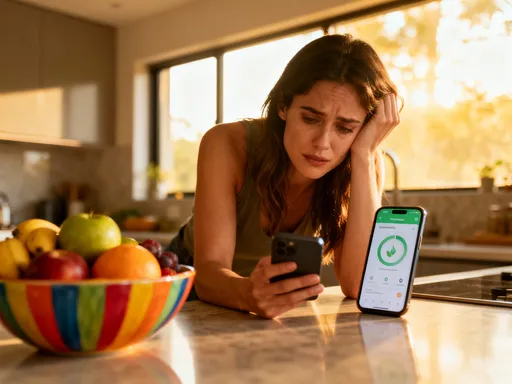
For years, our family memories lived in silence. Not the peaceful kind, but the heavy kind—the kind that settles when stories go untold. We had shoeboxes of photos, yellowing at the edges, tucked away in closets or stacked in drawers. We’d pull them out during holidays, passing them around like relics from another world. “Who’s that?” someone would ask. “Was this before or after the move?” Another voice would shrug. “I think that’s Aunt Carol? Or maybe it’s her sister?” And then the silence would return, heavier than before.
We weren’t just losing names and dates—we were losing connection. The laughter behind a crooked smile, the reason someone wore that hat, the little drama of who forgot the picnic blanket—those details vanished. And without them, the photos became flat. They were evidence of time passed, but not proof of life lived. I remember holding a picture of my mother as a young woman, standing in front of a lake I didn’t recognize. I wanted to ask her about it, but the moment never came. Not until much later, when she mentioned it casually over tea. That’s when it hit me: we were letting precious moments disappear, not because we didn’t care, but because we weren’t making space for them.
The gap wasn’t just between generations. It was within them. My sister and I, only two years apart, realized we remembered the same events completely differently. Who was at that birthday? What song played on the radio? Without shared context, even recent memories started to blur. We weren’t just losing the past—we were losing each other’s versions of it. And that’s when we decided to stop letting silence win.
When Screens Became Storytellers
It started simply. No grand plan, no tech expertise. Just a shared digital photo album—something I set up one quiet afternoon using a free app I already had on my phone. I uploaded a few scanned pictures: my parents’ wedding, a camping trip from the ‘80s, my nephew’s first Halloween. Then I added captions: names, places, a few short notes. Nothing fancy. I hit “share” and sent the link to my sister, my mom, and my aunt.
Within hours, my phone buzzed. My mom had added a comment: “That was the summer we drove cross-country with the dog in a crate on the back seat. He howled the whole way through Nebraska.” I smiled. Then I listened again. And again. It wasn’t just what she said—it was how she said it. The way her voice softened when she mentioned Dad. The little laugh when she recalled the dog’s dramatic barking. That’s when it clicked: we weren’t just storing memories. We were giving them sound.
My sister responded with a voice note: “Wait—that’s me in the striped swimsuit! Mom, do you remember how we got lost that day at the lake? I thought we were going to live in the woods!” Her tone was playful, nostalgic. And suddenly, that photo wasn’t just a frozen moment. It was alive. It had sound, movement, feeling. Others started joining in. My cousin added a story about the sweater my grandma knitted for her. My nephew recorded a question: “Why is Uncle Joe holding a chicken in this one?”
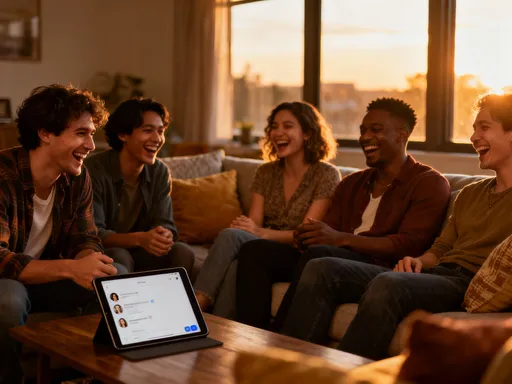
The quiet album became a conversation. We weren’t just looking at the past—we were stepping into it, together. The screen, once something we blamed for pulling us apart, had become a bridge. And it wasn’t the technology that made the difference. It was what the technology invited: presence, curiosity, and the courage to say, “I remember this. Let me tell you how it felt.”
Turning Moments Into Meaning with Voice and Text
We began to realize that pairing images with voice transformed them. A photo of my dad’s first car—rusty, dented, proud—was just a car until he recorded the story behind it. “I worked weekends at the gas station for two years,” he said, his voice steady but warm. “Saved every dollar. That car wasn’t pretty, but it was mine.” Hearing him say it changed everything. The car became a symbol of determination. The photo wasn’t just a memory—it was a lesson.
We didn’t need expensive tools. Just the devices we already owned. A tablet. A smartphone. Free apps like Voice Memos, Google Photos, and simple video editors. We started small. Scan a photo. Upload it. Add a name. Then, if someone felt like it, record a short voice note. No pressure. No script. No need to be perfect. In fact, the little imperfections—the background noise, the chuckle, the pause to remember a name—were what made it real.
One evening, my niece showed me how she’d made a short video clip: a photo of her great-grandmother, slowly zooming in, with her own voice reading a letter the woman had written. “She came here with nothing,” my niece said softly. “But she planted a garden every spring.” The video lasted less than a minute, but it carried generations. I realized then that we weren’t just preserving history—we were interpreting it, making it matter to the people living now.
Text helped too. Captions gave structure. Dates anchored timelines. But voice gave soul. It carried emotion, accent, rhythm—the things words on a page can’t capture. When my aunt told the story of her first day at school in another country, her voice trembled slightly. You could hear the little girl she once was. That moment taught me: clarity doesn’t come from facts alone. It comes from feeling. And technology, used gently, can carry that feeling across decades.
Bridging Generations Without Asking a Thing
One of the most beautiful things about this process? We never had to sit anyone down and say, “Tell me about your life.” That kind of conversation can feel heavy, even intrusive. But when a photo appears on a screen, it asks the question for you. It whispers, “Remember me?” And suddenly, the story flows.
My grandmother rarely spoke about her early years. But when she saw a picture of her wedding dress—a simple white gown with tiny pearl buttons—she reached for her phone and recorded a voice note. “I was so nervous,” she said. “My hands wouldn’t stop shaking. Your grandfather kept saying, ‘Breathe, breathe.’ And then, right before we walked in, he winked at me.” She laughed, a soft, youthful sound. My daughter listened to it three times in a row. “I never knew Grandma was so romantic,” she said.
That’s the magic. The photo didn’t demand a memoir. It offered a doorway. And she walked through it. No pressure. No performance. Just a moment of remembrance, shared because the moment felt right. The younger ones didn’t have to ask, “What was it like back then?” They could just listen. And in listening, they connected.
We started noticing how the children began to engage differently. My nephew, who used to scroll past old photos with a bored expression, now pauses. “Wait, who’s that with the guitar?” he’ll ask. And if someone has a voice note, he listens. He’s even started recording his own thoughts: “This is me at Grandma’s 80th. She danced to ‘You Are My Sunshine.’ I didn’t know she could dance like that.” He’s not just learning history—he’s becoming part of it.
Building a Shared Language Across Time
As we added more stories, something unexpected happened: we began to understand each other in new ways. It wasn’t just about the past. It was about the tone, the rhythm, the little quirks that make each person who they are. Hearing Great-Aunt Lena tell the same joke she used to at every Thanksgiving—complete with her signature pause and eye roll—taught us more than any written biography ever could.
We started using shared digital timelines—not just for birthdays, but for family moments that mattered. “The year we lost the house but found the cabin.” “The summer we all learned to bake bread together.” “The day the dog saved the picnic by chasing away a raccoon.” These weren’t just events. They were touchstones. And by marking them together, we created a shared language—a way of understanding who we are and where we come from.
One of my cousins, who lives overseas, told me how much these updates mean to her. “When I hear my mom’s voice describing the garden in spring,” she said, “it’s like I’m there. It’s not just a photo of flowers. It’s her voice saying, ‘This one always blooms late.’ That’s home.” That’s the power of combining image and sound: it turns memory into presence.
We also started adding seasonal updates—not just photos, but short video messages. “This is our apple harvest this year.” “The roses came in early.” “We found an old recipe book and tried Grandma’s pie.” These aren’t polished productions. They’re real, raw, full of life. And they’re creating a living archive—one that grows with us, not just behind us.
Simple Tools, Real Impact
Here’s the truth: you don’t need fancy equipment. You don’t need to be tech-savvy. All you need is a device with a camera, a microphone, and internet access. We used tools we already had: Google Photos for storage and sharing, Voice Memos for recordings, and a basic video editor to combine clips when we wanted to. That’s it.
The real barrier wasn’t technical. It was emotional. Starting felt vulnerable. What if no one responded? What if it felt awkward? What if someone said, “Why are we doing this?” But we began anyway. I uploaded one photo. Added one caption. Asked one gentle question: “Do you remember this day?” And someone answered. Then someone else. And slowly, the silence broke.
Each contribution built trust. When my brother shared a story about our late father—something small, about how he always whistled the same tune while fixing things—it opened space for others to share too. We weren’t just preserving memories. We were healing them, honoring them, making them part of our present.
The most powerful moment? When my teenage niece asked for help scanning old letters. “I want to record myself reading them,” she said. “So my kids can hear them someday.” That’s when I knew: this wasn’t just about the past. It was about continuity. It was about saying, “You matter. Your story matters. And we want to carry it forward.”
A Tradition That Grows with Us
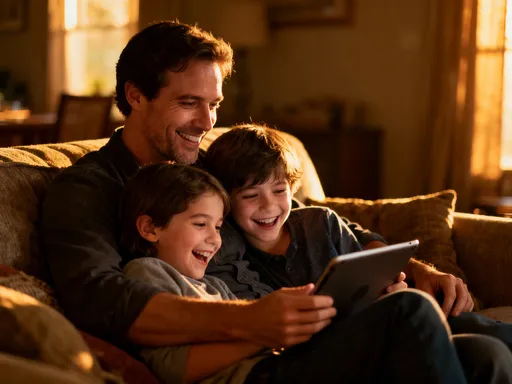
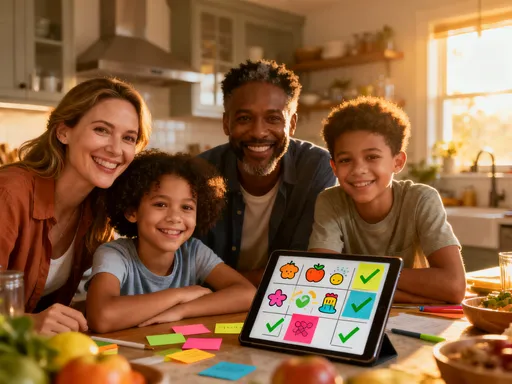
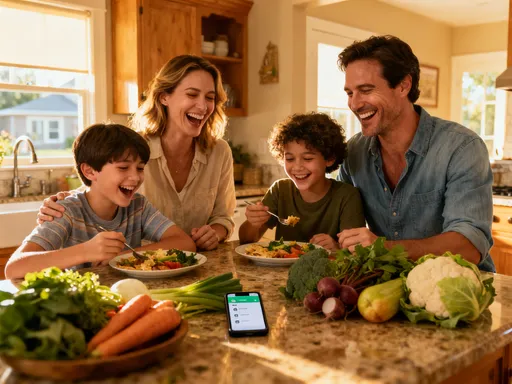
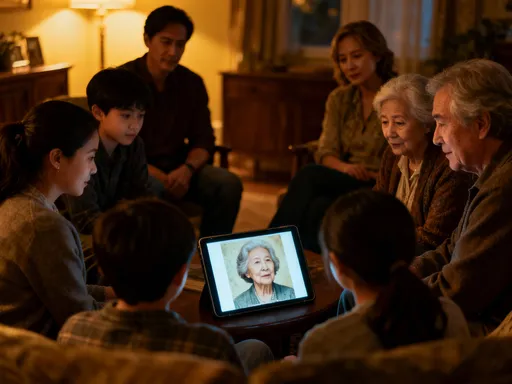
Today, adding to our family archive is part of our rhythm. It’s not a chore. It’s a ritual. On Sunday dinners, someone often says, “I uploaded something new.” We gather around the tablet. We listen. We laugh. Sometimes we cry. A grandchild records a question: “Why did we always go to the red cabin in July?” An elder answers. Another shares a new photo. A cousin adds a voice note from across the country.
The silence is gone. In its place is a warm, ongoing conversation—one that flows across ages, distances, and even grief. We’re not just saving memories. We’re keeping them alive. We’re letting them breathe, grow, and connect us in ways we never thought possible.
Technology didn’t create these bonds. We did. But it gave us the tools to express them, to preserve them, to pass them on. It didn’t replace our humanity—it amplified it. The real gift wasn’t digital storage or cloud access. It was belonging. It was knowing that our stories are heard. That our voices matter. That no memory has to fade into silence.
If you have a drawer full of old photos, I’m not asking you to digitize them all tonight. Just pick one. Share it. Ask a simple question. Let someone’s voice fill the space where silence once lived. You might be surprised by what comes back. Because behind every photo is a story waiting to be told. And sometimes, all it takes is one small step—and the courage to press play.