From Scrolling to Saving: How One App Gave Me Back My Time and Health
You know that feeling—endless scrolling through prices, trying to save a few dollars, only to realize you’ve wasted an hour? I was there too, until I found a smarter way. What if checking prices could also help you eat better, move more, and actually enjoy your day? This isn’t about perfection—it’s about progress. Let me show you how a simple tool reshaped my routine, my health, and my peace of mind. It didn’t take willpower or a life overhaul. Just one small change that made everything else a little easier—and that change started with an app I never thought would matter.
The Daily Grind: When Saving Money Feels Like a Second Job
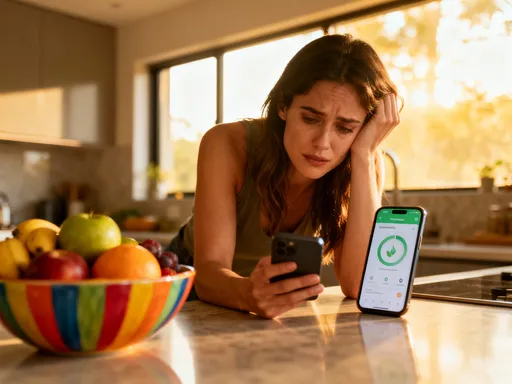
Remember last Tuesday? You were already tired after work, the kids needed dinner, and the fridge looked like a ghost town. So you sat down with your phone, determined to stretch your budget. One by one, you opened tabs—grocery sites, delivery apps, discount pages—comparing prices for pasta, chicken, even dish soap. Thirty minutes later, you finally picked something. But now you’re too drained to cook. The kids are asking what’s for dinner. You order takeout. Again.
That used to be my normal. I prided myself on being careful with money, but the truth? I wasn’t saving time or energy—I was burning both. Every little purchase turned into a mental marathon. Should I buy the cheaper cereal or the one with less sugar? Is this cleaning spray really a deal if it’s full of harsh chemicals? The more I tried to be responsible, the more exhausted I felt. And the worst part? My health slipped quietly. I skipped walks because I was too busy researching deals. I grabbed snacks that were cheap but left me sluggish. I wasn’t failing because I didn’t care—I was failing because I had too much to manage.
Then one evening, after spending 45 minutes comparing laundry detergents and still not buying any, I snapped. I looked at my daughter coloring at the table and realized I’d missed her telling me about her school project. That moment hit me hard. I wasn’t just losing time—I was losing presence. I needed a different way. Not one that asked me to do more, but one that helped me do less and get more in return.
The Unexpected Upgrade: How Price Comparison Became My Personal Assistant
It started with a recommendation from a friend—just a quick text: “Try this app. It finds deals, but somehow makes me feel like I’m making better choices.” I rolled my eyes at first. Another app? Really? But I was desperate. So I downloaded it, set up my preferences, and scanned my usual groceries. And then something surprising happened. Instead of just showing me the lowest price for almond milk, it said, “Organic, unsweetened version—only $0.30 more.” Next to it was a little green leaf icon: “Better for you and the planet.”
I paused. That was the first time an app had treated me like a whole person—not just a shopper chasing discounts. It wasn’t pushing me to spend more. It was helping me spend smarter, with my values in mind. I tried it again with snacks. I searched for granola bars. The app showed me three options under $2, but one had half the sugar and a “high fiber” badge. It even said, “Often bought with: fresh berries.” Cute. But also… useful.
Over time, I noticed a pattern. The app learned what I cared about. If I picked the low-sugar option once, it started highlighting similar ones. If I bought eco-friendly dish soap, it remembered. It didn’t nag me. It didn’t overwhelm me with data. It just quietly suggested better alternatives—right at the moment I was deciding. That’s when it clicked: this wasn’t just a price tool. It was becoming a personal assistant for my health, my time, and my peace of mind. And the best part? It didn’t cost extra. In fact, it was helping me save.
Time Saved Is Time Gained: Reclaiming Hours in the Week
Let’s talk numbers—but keep it real. Before this app, I spent an average of 10 to 15 minutes per shopping session comparing prices, checking reviews, and second-guessing myself. Multiply that by five shopping trips a week? That’s over an hour and a half—every single week—just on decision fatigue. Over a year, that’s nearly 80 hours. That’s two full workweeks I was giving to price tags.
With the app, that time dropped to under two minutes per session. It pulled all the options together, ranked them by price, health score, and sustainability, and even remembered what I usually bought. No more tabs. No more back-and-forth. Just a quick glance and a tap. That’s it. And what did I do with those reclaimed hours? I started small. Five minutes of stretching in the morning. Ten minutes to prep veggies for the week. A walk around the block while listening to my favorite podcast. Things I always said I “didn’t have time for” were suddenly possible.
But the real shift wasn’t just in my schedule—it was in how I felt. I had more patience. I was less reactive. I wasn’t walking into the house already drained. I could actually listen when my son told me about his soccer game. I could sit with my partner after dinner and talk instead of scrolling out of habit. That extra time didn’t just give me more to do—it gave me more space to be. And honestly? That’s been the biggest win of all.
Health Hacks Without the Hustle: Small Changes, Big Impact
I’ll be honest—I used to think “eating healthy” meant big changes. Meal prepping for hours. Giving up all my favorite foods. Joining a gym I’d never go to. But what this app taught me is that health isn’t about extremes. It’s about small, consistent choices that add up without making you feel deprived.
For example, every time I looked for cookies, the app would show a “lower sugar” version right next to it. Sometimes I still picked the regular ones—no guilt! But sometimes, I’d think, “Why not try the one with oats and less sugar?” And guess what? I liked it. It didn’t feel like a sacrifice. It felt like a discovery. Same with breakfast. Instead of just showing the cheapest yogurt, it started suggesting the high-protein kind. Or pairing oatmeal with fresh fruit instead of sugary jam. These weren’t commands. They were gentle nudges—like a friend whispering, “Hey, you’ve got this.”
Over a few months, these tiny shifts changed how I felt. My energy was more stable. I wasn’t crashing by 3 p.m. I slept better. I wasn’t as bloated or foggy-headed. My clothes fit differently—not because I was trying to lose weight, but because my body was getting better fuel. And the best part? I didn’t have to think hard about it. The app made the healthy choice the easy choice. It removed the friction. It turned “I should” into “I already did.”
Family Life, Simplified: One Tool That Helps Everyone Eat and Save Better
Here’s the thing—I didn’t set out to change my whole family’s habits. But when you make a tool part of your routine, it naturally spreads. I shared my shopping list with my partner, and within a week, he was using the app too. He didn’t care much about nutrition badges, but he loved that he could see what we needed and grab it fast. “No more forgetting the milk,” he said. “And I actually found a better deal on laundry stuff.”
Then came lunch prep. Every Sunday, I used to dread planning school lunches. What’s quick, healthy, and won’t get tossed in the trash? Now, I open the app, filter for “kid-friendly, low sugar, under $1.50,” and it shows me things like apple slices with nut butter packs, whole grain crackers with cheese, or yogurt cups with real fruit. I save those as a list. My daughter even helps me pick. “Can I try the blueberry ones this week?” she asked. Yes. Yes, you can.
Dinner stress dropped too. The app started learning our patterns—like how we always cook pasta on Thursdays. So on Wednesday nights, it would suggest deals on whole wheat pasta and tomato sauce with no added sugar. Sometimes it even said, “You might like adding spinach—$0.99 more, but +2 vitamins.” Was it pushy? No. Was it helpful? Absolutely. We started eating more veggies without even trying. And the best part? No more last-minute “What’s for dinner?” panic. The ideas were already there, waiting.
Beyond the Price Tag: How Less Decision Fatigue Leads to More Joy
Here’s something no one talks about enough: every decision we make uses mental energy. What to wear. What to eat. What to buy. By the end of the day, that energy is gone. That’s called decision fatigue. And when it hits, we default to easy—often unhealthy—choices. We skip the walk. We order pizza. We scroll instead of sleep.
But when an app handles the small stuff—like which brand of coffee is the best value with the least packaging waste—I have more energy left for the big stuff. Like playing board games with my kids. Like calling my sister just to catch up. Like sitting outside with a book and actually enjoying it. I started journaling again—something I hadn’t done in years. Not because I had more time, but because I had more mental space.
And that’s when I noticed the joy creeping back in. Not the loud, flashy kind. The quiet kind. The kind that comes from feeling in control. From knowing I’m taking care of my family without burning myself out. From making choices that align with what I value—health, sustainability, connection—without it feeling like a chore. Saving money wasn’t just about the balance in my account. It was about reclaiming my attention, my energy, my life.
Making It Work for You: Simple Steps to Start Today
If you’re thinking, “This sounds great, but I’m already overwhelmed,” I get it. That was me too. So let’s keep this simple. You don’t need to change everything at once. Start small. Pick one category—maybe snacks, or household supplies—and download a price comparison app that includes health and sustainability filters. Look for one that lets you customize what matters to you: low sugar, high fiber, eco-friendly, etc.
Set it up in 10 minutes. Add your usual items. Let it learn your preferences. Don’t worry about doing it “right.” There’s no test. Then, next time you shop—online or in-store—pull it up. See what it suggests. Try one alternative. That’s it. One small win.
You can also sync it with your routine. For example, I set a reminder to check weekly deals every Sunday after my morning yoga. It’s not a chore—it’s part of my self-care. You could do the same after school drop-off, during your coffee break, or while waiting for dinner to cook. Make it fit your life, not the other way around.
And remember: progress, not perfection. Some days you’ll forget. Some days you’ll buy the sugary cereal because the kids are begging and you’re tired. That’s okay. This isn’t about being perfect. It’s about making it easier to make better choices—most of the time. And over time, those choices add up to a healthier, calmer, more connected life. One small tap at a time.
So here’s my question for you: what if the next time you opened your phone to compare prices, it didn’t just save you money—but gave you back your time, your energy, and your joy? What would you do with those extra hours? Would you stretch more? Cook more? Rest more? Connect more? I did. And it changed everything. You don’t need a miracle. You just need a smarter tool—one that sees you not just as a shopper, but as a person trying to do your best. Because you are. And you’ve got this.