Tired of killing every plant you own? This smart pot finally made me a plant parent
We’ve all been there—buying a beautiful houseplant, only to watch it wither within weeks. I used to think I just didn’t have a green thumb. But after years of overwatering, forgetting to water, and guessing when sunlight was enough, I realized the problem wasn’t me. It was the lack of real guidance. That changed when I brought home a smart plant care system. At first, I doubted it could make a difference. But over time, something shifted—not just in my plants’ health, but in my daily habits. What started as a last-ditch effort to keep a houseplant alive quietly became a turning point in how I approach self-care, routine, and even motherhood. This isn’t just about gardening. It’s about how a little technology, thoughtfully used, can gently guide us toward a more grounded, intentional life.
The Breaking Point: When Another Plant Died on My Watch
It was a gray Tuesday morning, rain tapping softly against the window, when I found it—the third snake plant I’d tried to keep alive, curled at the edges, its leaves a dull, lifeless brown. I remember standing there, coffee in hand, feeling a surprising wave of guilt. It wasn’t just that the plant was dead. It was that I hadn’t even noticed it was suffering. I hadn’t seen the signs—the dry soil, the droop, the slow fading of color. I’d been too busy, too distracted, too caught up in the rhythm of school drop-offs, grocery lists, and late-night work emails. And yet, this tiny failure felt heavy. Why couldn’t I do this one small thing right?
For years, I told myself I just wasn’t a plant person. My sister had a sunroom full of thriving monstera and orchids. My neighbor could revive a cactus that looked like it had survived a desert storm. Me? I killed a succulent. Twice. Each time, I’d start with such hope—buying a pretty pot, placing it in what I thought was the perfect spot, whispering encouragement like it might actually hear me. And each time, within weeks, another casualty. I began to wonder if it was more than just bad luck. Was I too impatient? Too inconsistent? Was I just not the kind of person who could nurture something living?
That rainy morning, though, something clicked. I realized the problem wasn’t my character or my nature. The problem was that I was trying to care for living things without any real tools or feedback. No one had taught me how much water a snake plant really needed. I didn’t know that “bright indirect light” meant different things in different homes. I was flying blind, guessing based on vague advice and memory. And in that moment, I decided I wasn’t going to try harder—I was going to try smarter. I didn’t need more willpower. I needed help. That’s when I first looked up smart planters, not because I loved tech, but because I was tired of feeling like a failure every time a plant died on my watch.
First Impressions: Skepticism Meets a Little Green Light
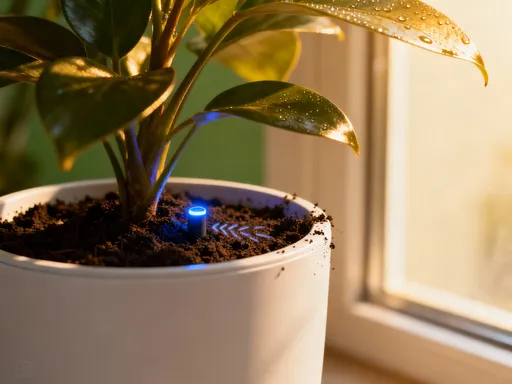
I’ll admit, when the box arrived, I rolled my eyes a little. It looked like a garden gadget made for someone with too much time and a Pinterest board full of indoor jungles. Inside was a sleek little sensor, about the size of a AAA battery, with a thin metal probe on one end. The instructions said to push it into the soil near the plant’s roots. That was it. No wires, no drilling, no complicated setup. I synced it with an app on my phone using Bluetooth—no Wi-Fi, no network hassles—and within minutes, it was ready.
The real magic, though, was the light. A small LED at the top of the sensor glowed different colors: red when the plant was thirsty, blue when the moisture was just right, and green when it was happy and hydrated. At first, I thought it was gimmicky. Was I really going to let a blinking light tell me how to care for a plant? I’ve been alive for decades—surely I could figure out when a pothos needed water. But I was out of options, so I gave it a try.
Then, two days later, the light turned red on my fiddle-leaf fig. I walked over, poked the soil with my finger—dry about an inch down. I was about to pour water when I remembered the app said, “Wait 24 hours if soil is only slightly dry.” I paused. I’d have watered it immediately before. But I trusted the sensor. I waited. The next day, the light turned blue. I didn’t water it at all. That small moment gave me a quiet sense of pride. I hadn’t overwatered. I hadn’t guessed. I’d followed data, not emotion. And my plant? It stayed firm, its leaves perked up slightly. That tiny win made me curious. Maybe this little light wasn’t so silly after all.
The Real Change: From Reaction to Routine
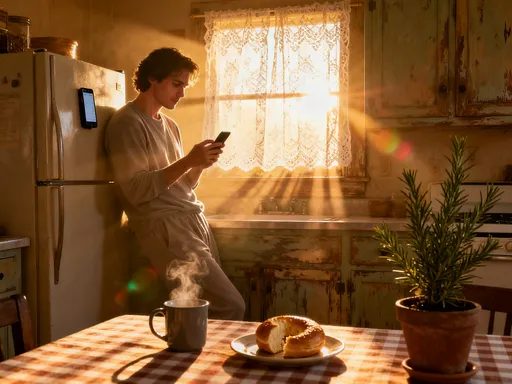
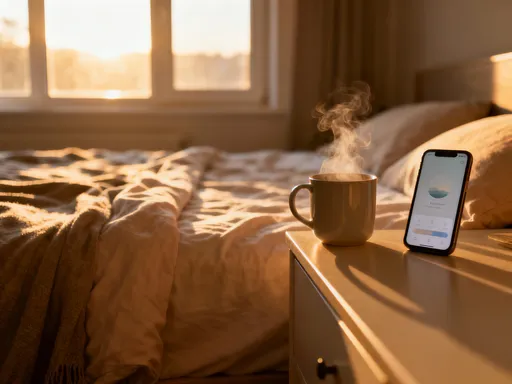
In the beginning, I treated the alerts like chores. Red light? Water the plant. Blue? Leave it alone. Green? Do a little happy dance. I checked the app every morning with my coffee, almost without thinking. But what started as a reactive habit—responding to notifications—slowly turned into a proactive rhythm. I began to notice things. My spider plant loved being near the kitchen window but dried out faster in summer. My peace lily, which I’d killed twice before, actually needed less water than I thought—just a little every 10 days, not every few days like I used to assume.
More than the watering, I started paying attention to light patterns. The app gently reminded me: “Your pothos gets best growth with morning sun. Try rotating it every week.” I did. Within a month, it was trailing twice as fast, with richer, greener leaves. I wasn’t just following instructions—I was learning. The technology wasn’t doing the work for me. It was teaching me how to do it myself. And with each new leaf, each plant that didn’t die, my confidence grew.
What surprised me most was how this small habit began to anchor my day. Checking on my plants became a quiet ritual—five minutes in the morning, another in the evening. No screens, no stress. Just me, the plants, and the soft glow of the sensor lights. It felt like a moment of calm in a life that often felt too loud. I wasn’t just caring for my plants. I was caring for myself, too, in a small but meaningful way. And for the first time, I didn’t feel like a plant murderer. I felt like a plant parent.
How the Tech Works—Without Feeling Like Tech
One of the reasons this system worked for me is that it didn’t feel like technology. I’m not a gadget person. I don’t own a smart fridge or a robot vacuum. I still write my grocery list on paper. So when I say this device felt simple, I mean it truly stayed in the background. It didn’t demand my attention. It didn’t buzz every five minutes. It didn’t require me to study charts or decode data. It just… helped.
Inside that little sensor are three things: a moisture probe, a light meter, and a temperature reader. But I never had to think about any of that. The app translated it all into plain English. Instead of saying “soil moisture at 35%,” it said, “Your aloe is a little dry. Water in the next 24 hours.” Instead of “light intensity: 200 lux,” it said, “This spot gets low light. Try moving your ZZ plant near the hallway window.” It spoke like a kind, knowledgeable friend—not a robot.
And the best part? It learned over time. After a few weeks, it began to recognize my plants’ patterns. It knew my basil needed more water in July than in January. It reminded me to mist my fern when the air got dry in winter. It even sent a gentle nudge when I hadn’t checked in for a few days: “Just a heads-up—your snake plant hasn’t been watered in 12 days. Want to take a look?” No pressure. No guilt. Just a soft reminder, like a tap on the shoulder.
I didn’t realize how much I’d misunderstood plant care until this system showed me the real variables: not just water, but light quality, temperature shifts, seasonal changes. I learned that “overwatering” wasn’t just about pouring too much—it was about not letting the soil dry between waterings. I learned that “bright light” didn’t mean direct sun through a south window at noon. I learned that plants, like people, have rhythms. And having a tool that quietly observed those rhythms—and helped me honor them—made all the difference.
Unexpected Wins: Calm, Connection, and a Little Pride
I didn’t expect this journey to bring me peace. But it did. There’s something deeply grounding about keeping a living thing alive. Every time I see a new leaf unfurl on my monstera, I feel a quiet swell of pride. Not because I’m some expert gardener now, but because I showed up. I paid attention. I didn’t give up.
But the biggest surprise was how it brought my family into the moment. My youngest daughter started calling the sensor “the plant’s little mood ring.” She’d run over after school, point at the light, and say, “Mom! It’s blue! The fiddle-leaf is happy!” Then she’d help me water it, carefully pouring from the small pitcher we keep on the shelf. My older son, who usually has his headphones on and his eyes on his phone, started asking, “Why is the light red on the pothos?” and actually listening to the answer.
One evening, as I was checking the app, he looked over and said, “Mom, your plants look really good. Like, actually alive.” I laughed, but it meant something. It wasn’t just about the plants. It was about the care, the consistency, the small effort that adds up. And when my daughter hugged me and said, “I love our green house,” I felt a warmth that had nothing to do with sunlight.
These moments didn’t just make me a better plant parent. They made me feel more present as a mom. In a world that pulls us in ten directions at once, this little system gave me permission to slow down, to notice, to tend. And in doing so, it helped me reconnect—with my home, with my kids, and with myself.
Habit Stacking: How Plant Care Spilled Into Other Routines
Here’s something I didn’t see coming: taking care of my plants regularly started to change other parts of my life. It wasn’t dramatic, but it was real. Because I was checking on my plants every morning, I began to notice how good it felt to start the day with a small, meaningful task. So I added another: I started prepping my lunch the night before. Then I began setting out my workout clothes the evening prior. Then I started paying bills on time, without last-minute panic.
It’s called habit stacking—adding a new behavior onto an existing one. And my plant check became the anchor. Every morning, I’d make coffee, check the sensor lights, water if needed, then move on to the next small win. Those tiny victories added up. I wasn’t trying to overhaul my life. I wasn’t setting huge goals. I was just showing up for my plants—and in doing so, I started showing up for myself.
I began to stretch for five minutes every morning. Not because I suddenly loved exercise, but because I’d already completed one small act of care. Why not do another? I started journaling two sentences a day. I organized the junk drawer. I even remembered to call my mom more often. None of these things were directly related to plants. But the discipline, the consistency, the quiet pride in doing something small well—that spilled over.
It reminded me that confidence isn’t built in giant leaps. It’s built in moments like these: watering a plant before it wilts, noticing a new leaf, hearing your child say, “The plant is happy.” These tiny acts of care teach us that we are capable. That we can follow through. That we can grow things—both green ones and parts of ourselves.
A New Kind of Green Thumb: Confidence That Grows With Your Plants
A year after bringing home that first smart sensor, I walk into my living room and smile. There are plants everywhere—on shelves, hanging from macramé holders, thriving on the kitchen counter. My fiddle-leaf fig has grown two new leaves this month. My pothos now trails six feet down the wall. I even have a small herb garden on the windowsill—basil, thyme, and mint—all alive, all flourishing.
But the real change isn’t in the plants. It’s in me. I don’t rely on the app as much anymore. I can tell by the feel of the soil, the color of the leaves, the way the light falls at different times of day. The technology taught me what I needed to know, and now I carry that knowledge with me. I don’t feel helpless anymore. I feel capable. I feel like someone who can nurture, who can stick with something, who can grow.
And that confidence has spread. I’m more patient with myself. I’m more intentional with my time. I’m more present with my family. I’ve stopped seeing small acts of care as insignificant. Now I see them as the foundation of a life well-lived. Because if I can keep a plant alive—really alive, not just surviving—I can do hard things. I can build habits. I can grow, too.
So if you’ve ever stood over a dead plant, feeling like you failed, I want you to know: it’s not you. It’s the system. And you don’t have to do it all alone. Sometimes, all it takes is a little help—a small light, a gentle reminder, a tool that meets you where you are. Because the truth is, we’re all growing. Our plants. Our homes. Ourselves. And when we give ourselves the support we need, even in the smallest ways, we create space for something beautiful to take root.